

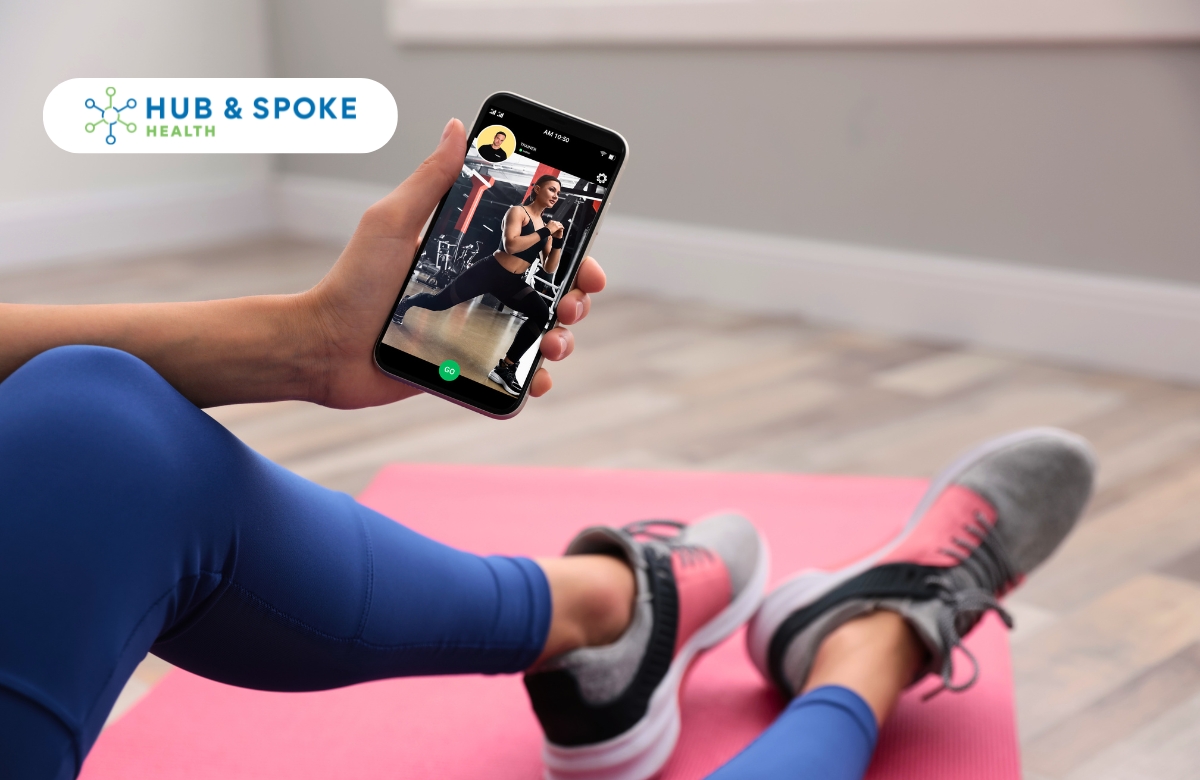
You’ve downloaded the app, set your goals, and committed to that 30-day challenge. But two weeks in, your enthusiasm drops. The results aren’t quite what you hoped for, and life—unsurprisingly—gets in the way. Sound familiar?
Fitness and health apps promise convenience, structure, and motivation at your fingertips. But for many Australians, especially those managing pain, recovering from injury, or navigating a busy lifestyle, these apps often fall short. That’s where in-home physiotherapy steps in—not just as an alternative, but as a more tailored, sustainable approach.
Let’s explore why apps often miss the mark, and how personalised, in-home care can deliver the long-term outcomes apps simply can’t.
View this post on Instagram
Why Fitness and Health Apps Often Miss the Mark
While fitness and health apps can be a great tool for general wellbeing, they come with notable limitations—particularly when dealing with pain, injury, or chronic conditions.
1. One-size-fits-all programs
Most apps use templated programs. They’re not designed for people with pre-existing conditions, post-surgical needs, or movement restrictions. If your body doesn’t match the algorithm’s expectations, your progress may stall—or worse, lead to injury.
2. No real-time feedback
Apps can’t correct your form. Incorrect technique is a leading cause of injury during self-guided exercise. Without someone to observe and adjust your movement, you could be reinforcing bad habits.
3. Drop-off in motivation
Research shows that engagement with fitness apps decreases sharply after the first few weeks, especially when users don’t see fast results or face personal barriers like fatigue, pain, or time constraints.
Read more here: Healthdirect – Exercise and Physical Activity
4. Tracking ≠ progress
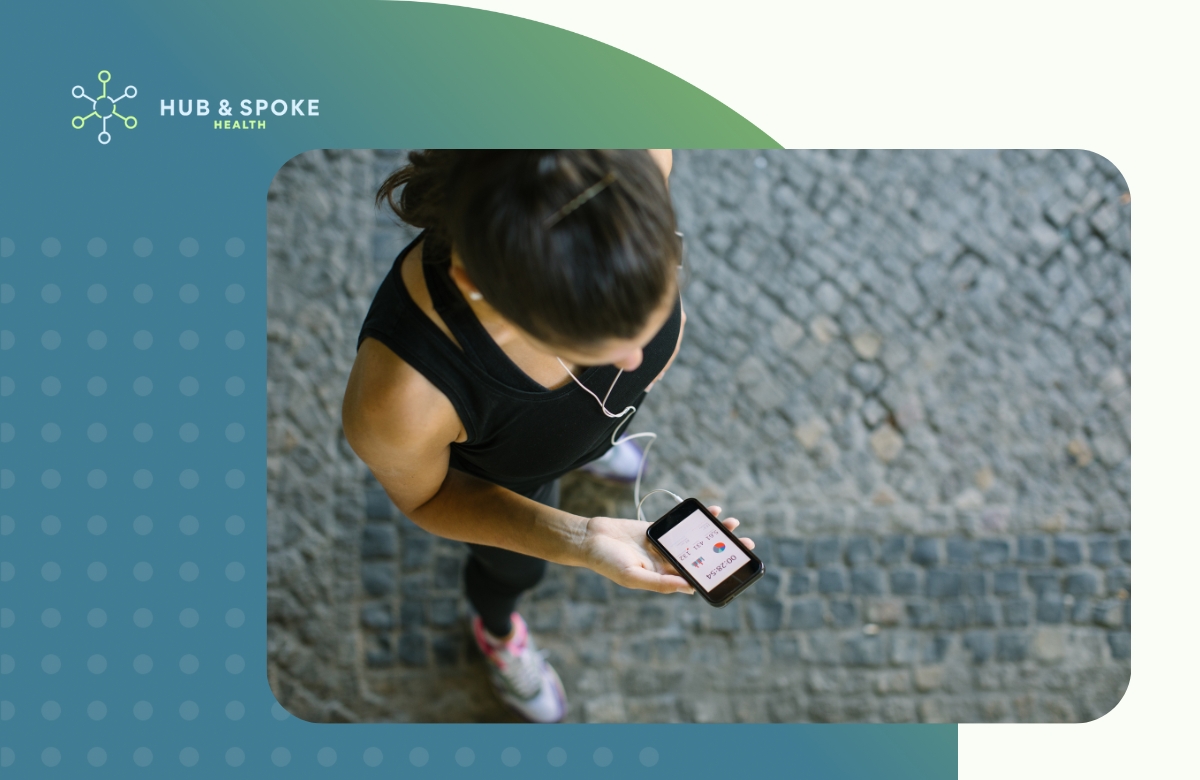
Many apps rely on self-reported data or wearable tech. But tracking steps or reps doesn’t guarantee improved mobility, reduced pain, or appropriate recovery.
Why “Free Workouts” Aren’t Always a Safe Option
YouTube videos and fitness apps often provide quick workouts and beginner guides, but they lack one vital component: clinical insight. These platforms can’t evaluate your body’s unique needs, nor can they adapt exercises around injuries, postural issues, or chronic conditions.
Many people unknowingly perform exercises incorrectly or choose routines that aggravate their symptoms. This can lead to frustration or even injury—setting back progress instead of advancing it.
In contrast, physiotherapists assess movement, range, strength, and underlying biomechanical issues before recommending any exercise. Your program is not just personalised—it’s safe and strategic.
The Difference In-Home Physiotherapy Makes
There’s a common misconception that in-home physiotherapy is somehow “lesser” than clinical care. In reality, it’s the same professional service—delivered in a more convenient and accessible way.
For many patients, especially those managing mobility limitations, busy schedules, or family responsibilities, in-home care removes a significant barrier to consistency. It also allows physiotherapists to observe how you move and function in your own space—tailoring strategies that fit into your real daily life, not just a controlled clinic setting.
Whether you’re navigating post-operative rehab, chronic pain, or general deconditioning, in-home care ensures you don’t miss sessions, skip exercises, or rely on guesswork.
Value Beyond the Price Tag
Some people hesitate about in-home services due to perceived cost—but when weighed against the long-term benefits, the value becomes clear.
In-home physiotherapy:
- Reduces the risk of re-injury through correct form and progression
- Helps patients stick with their plan (leading to faster recovery)
- Removes transport costs and time spent in waiting rooms
- Avoids reliance on ineffective or generic programs
Think of it not as a luxury—but a proactive investment in your health, independence, and recovery.
Why Accountability and Support Make All the Difference
Even with the best intentions, it’s hard to stay consistent without support. A physiotherapist doesn’t just guide you through exercises—they act as a coach, motivator, and clinical partner throughout your journey.
You’ll have regular feedback, ongoing adjustments, and someone who celebrates your wins and problem-solves your setbacks. This kind of support builds momentum and makes it easier to maintain your progress—not just for weeks, but for the long term.
And when your physiotherapist comes to you, your care becomes part of your weekly rhythm—fitting seamlessly into your life instead of competing with it.
Final Thoughts: It’s Time to Rethink the DIY Approach
Health and fitness apps can play a helpful supporting role, but they can’t replace the experience, observation, and adaptability of a qualified professional. If you’re looking for more than a step counter—something that truly supports your health journey—it may be time to consider in-home physiotherapy.
With Hub and Spoke Health, expert care comes directly to you. Whether you’re recovering from injury, building strength, or managing a chronic condition, we’ll tailor a plan that works for your body and your lifestyle.
Ready to make progress that lasts? Book a free phone consultation with Hub and Spoke Health and let’s get you moving—safely, confidently, and with personalised support that goes beyond the app.