
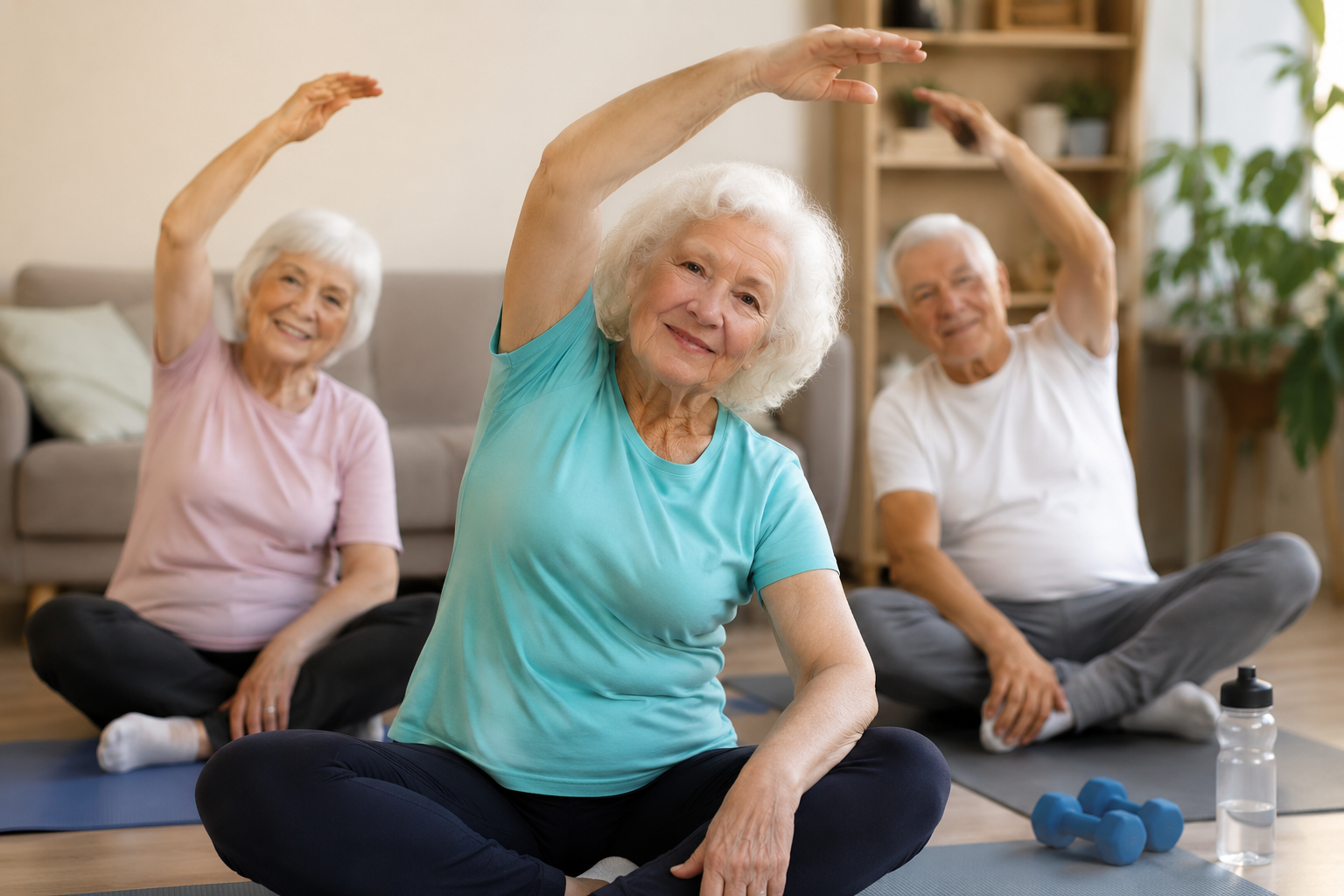
Regular physical activity is one of the most important things you can do for your body and mind, and that holds true at every age. If you are over 80, exercise may feel like a daunting task, but now more than ever, it is vital to make movement a part of your daily routine.
Exercise has numerous health benefits for older adults, from maintaining independence and improving balance to boosting energy levels and supporting brain function. A 2025 cross-sectional study found that exercise quality and frequency can lessen the perception of pain amongst elderly adults, and a separate 2025 analysis found that gentle exercises of 30 to 60 minutes had a positive effect on depression in middle-aged and older adults.
The key is choosing the right type of exercise: gentle, low-impact activities that support your body rather than strain it. Here are the best options for adults over 80, most of which can be done at home with minimal equipment.
Why Exercise Matters After 80
Though physical fitness provides benefits for any age group, the health benefits are particularly substantial for older adults. As gerontologist Lakelyn Eichenberger explains, regular exercise can reduce the risk of chronic conditions such as heart disease while supporting day-to-day functioning.
Some of the key benefits of exercising for adults over 80 include:
- Increased independence: maintaining strength and mobility helps you continue managing daily tasks on your own
- Improved balance: reducing the risk of falls and fall-related injuries
- More energy: regular movement combats fatigue and helps you feel more alert throughout the day
- Disease prevention: physical activity helps manage and prevent conditions such as heart disease, diabetes, and osteoporosis
- Better brain function: exercise supports cognitive health and can reduce the risk of cognitive decline
- Improved mood: gentle exercise has been shown to reduce symptoms of depression and anxiety
There are social benefits too. Exercising in a group setting or with a friend provides motivation, community, and connection, all of which contribute to emotional wellbeing.
How Often Should Adults Over 80 Exercise?
The CDC recommends that the average healthy older adult aim for at least 150 minutes of moderate-intensity aerobic activity per week, plus muscle-strengthening exercises at least two times per week.
That said, even short daily sessions of light to moderate activity can provide meaningful benefits. The focus should be on consistency rather than intensity. If you have been inactive for an extended period or are managing a chronic condition, talk to your doctor about how much exercise is right for you.
The best approach is to combine four types of exercise: endurance, strength, balance, and flexibility. Varying the types of activity you do reduces boredom and lowers your risk of injury.
10 Best Gentle Exercises for 80 Year Olds
1. Walking
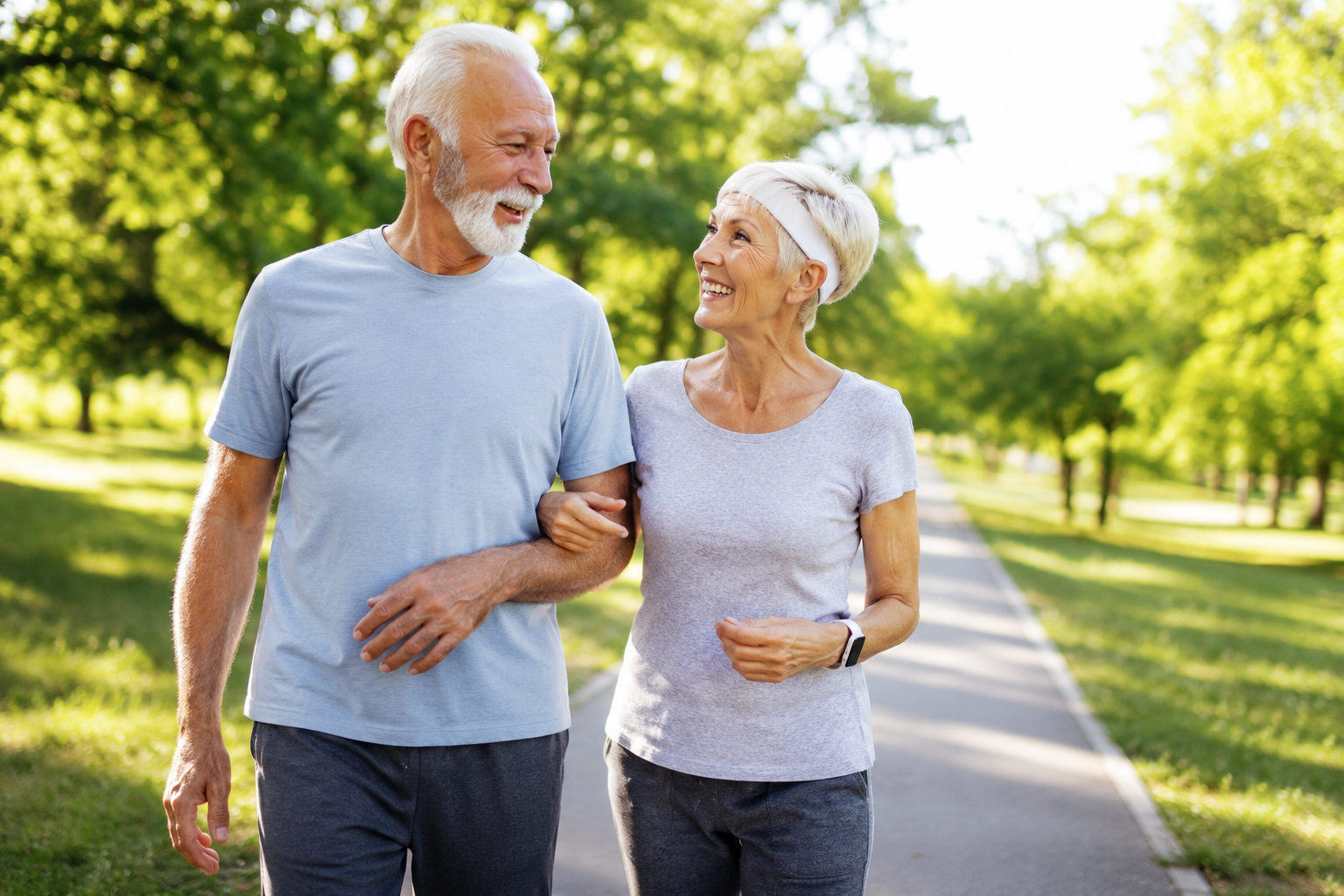
Walking is one of the most accessible forms of exercise. You do not need any equipment, just time and a safe path. Research shows that a healthy target for the average older adult is 2,000 to 9,000 steps per day. If you have difficulty walking or experience joint pain, start with a small daily goal and increase it at your own pace.
Walking is also one of the most effective ways to manage lower back pain and maintain cardiovascular health without placing excessive stress on the body.
2. Chair Yoga
Yoga is focused on the mind-body connection and offers benefits beyond the physical. It is a low-impact activity that can improve balance, flexibility, breathing, and bone strength while reducing stress and improving sleep.
For adults over 80 with limited mobility, chair yoga is an excellent variation that can be done almost anywhere. You perform the poses while seated or using the chair for support, making it accessible regardless of your current fitness level.
3. Water Aerobics and Swimming
Water-based exercise is ideal for older adults because it is low impact and gentle on the joints. Water provides natural resistance without the added stress on your body, making it an excellent option for those living with arthritis or joint pain.
Swimming develops muscles, increases flexibility, helps improve posture, and boosts mental health. If you are interested in water-based exercise, contact your local community centre or pool to see if they offer programs tailored to older adults. Hydrotherapy supervised by an allied health professional can also provide structured, therapeutic exercise in a warm pool environment.
4. Resistance Band Workouts
Resistance bands are large rubber strips that add resistance to your exercises without requiring you to hold additional weight. This reduces the stress on your body while still building strength. Bands come in different resistance levels, making it easy to start light and increase intensity as you gain strength.
Resistance band exercises can target the arms, legs, chest, and back, and they are easy to do at home with guidance from a physiotherapist or exercise physiologist.
5. Balance Training
Balance exercises build strength while improving posture and coordination. Working on balance can significantly decrease your chance of falling or sustaining an injury. A 2023 study found that tai chi can reduce the risk of falls in older adults by up to 47%.
Some effective balance exercises for adults over 80 include:
- Walking heel to toe along a straight line
- Timed single-leg stands (holding a chair for support if needed)
- Leg lifts and arm circles
- Tai chi, which combines slow, flowing movements with deep breathing
Simple at-home balance movements can be done right where you are, and a falls prevention program with a physiotherapist can help you build a structured routine tailored to your ability.
6. Bodyweight Exercises
Bodyweight exercises are one of the best ways to preserve muscle mass as you age. They are accessible, affordable, and can be done in the comfort of your home without any special equipment.
For adults over 80, suitable bodyweight exercises include wall push-ups, seated leg lifts, standing calf raises (holding a chair for support), and sit-to-stand repetitions from a sturdy chair. These movements target the major muscle groups and help maintain the strength needed for everyday tasks.
7. Gentle Strength Training
If you are looking for something more targeted than bodyweight exercises, light dumbbell or resistance band strength training can be highly effective. Strength training has been shown to improve flexibility, balance, and mood while alleviating the symptoms of certain conditions.
The National Institute of Aging recommends strength training at least twice per week. Start with light weights and increase gradually. Working with a physiotherapist or exercise physiologist ensures proper form and reduces the risk of injury.
As 82-year-old trainer Harry King puts it: strength training is especially important for people with arthritis because it strengthens the muscles around the joints, improving the ability to perform everyday activities.
8. Pilates
Pilates is a low-impact exercise that focuses on breathing, alignment, and core strength. While similar to yoga, pilates places more emphasis on building strength through controlled movements. It is particularly effective for improving posture and core stability, both of which support balance and reduce fall risk.
Many pilates exercises can be modified for seated or lying positions, making them accessible for adults with limited mobility.
9. Dancing
Dancing is a versatile aerobic option that improves cardiovascular fitness, balance, and mood. You can personalise it completely: try different forms of dance, move to different kinds of music, dance in a group or by yourself.
Dancing can also be nostalgic for many older adults, bringing back good memories and providing a fun, social way to stay active. Research has found that discontinuous exercise performed at intervals of activity and rest, such as dance, is associated with lower fatigue in elderly adults.
10. Interval Walking
Rather than trying to maintain one pace for an extended period, interval training alternates bursts of slightly more vigorous activity with rest or lighter movement. For adults over 80, this might mean walking briskly for two minutes, then at a slower pace for two minutes.
This approach allows you to build cardiovascular fitness gradually without overexerting yourself, and research suggests it may be associated with lower fatigue compared to continuous exercise.
Exercises to Approach With Caution
There is no true “worst” exercise for older adults, but certain activities carry higher risk, especially without professional guidance. Physical therapist Louis Haase notes that the following should be approached carefully:
- Long-distance running: high impact and places significant stress on the joints, particularly the knees. As joint integrity diminishes with age, the risk of pain and falls increases.
- Deep squats or heavy deadlifts: without proper form and guidance, the heavy forces and excessive joint strain can cause more harm than benefit, including knee strain or herniated discs.
- High-impact movements: jumping exercises such as box squats or burpees may be too much for an older adult’s body to tolerate. The age-related wear and tear combined with the forces of jumping can increase pain and fall risk.
If you are interested in more intensive exercise, working with a qualified professional such as an exercise physiologist or physiotherapist can help you find safe modifications.
Tips for Getting Started Safely
Starting a new exercise routine after 80 requires patience and care. Dr. Victoria Heasley, a sports medicine physician, advises that the goal is to build a sustainable routine that supports long-term health and enhances your overall quality of life.
- Start slowly: if you have never exercised regularly or have been inactive for a while, begin with just a few minutes of gentle movement each day and build from there.
- Talk to your doctor: before beginning a new exercise program, especially if you have underlying health conditions, check with your GP to determine what is appropriate for you.
- Stay hydrated: drink water before, during, and after exercise to avoid dehydration and fatigue.
- Stretch before and after: stretching decreases the risk of injury and helps maintain flexibility. It can also be modified based on your pain level.
- Listen to your body: if something causes pain (beyond normal mild discomfort), stop and consult a health professional.
Consider professional guidance: working with a mobile physiotherapist or exercise physiologist who visits your home can help you establish a safe, effective routine tailored to your abilities. They can also assess your home environment for safety and recommend appropriate supports if needed.
For older Australians managing chronic conditions at home, a physiotherapist or exercise physiologist can design a program that addresses your specific health needs while keeping you safe and progressing at the right pace.
Staying Active for the Long Term
Exercise for adults over 80 does not need to be intense or complicated. The best gentle exercises are the ones you can do consistently, safely, and with enjoyment. Walking, chair yoga, water-based exercise, resistance bands, balance training, and light strength work all provide meaningful health benefits without placing unnecessary strain on the body.
The focus should always be on consistency over intensity. A few minutes of gentle movement each day adds up, supporting your strength, balance, independence, and quality of life for years to come. Start where you are, progress at your own pace, and lean on professional support when you need it.