


If you’re preparing for a total hip replacement, taking steps to strengthen and prepare your body can make a big difference in your recovery. It is important to be educated about what you can do pre surgery and immediately after to ensure the best outcomes for your hip replacement.
Before Surgery: The Power of Prehab
Prehabilitation (prehab) is all about building strength and mobility to support your new hip. Engaging in prehab exercises can improve muscle tone, flexibility, and circulation, helping you return to normal activities faster post-surgery. Focus on exercises that target your glutes, quads, and core, as these will stabilize your hip and make post-op movements easier. Practicing specific moves beforehand, like standing on one leg and gentle stretching, can also help you feel more confident after surgery. Starting this at least six weeks prior to surgery will be the best first step.

Immediately Post-Surgery: What to Expect
After surgery, you may feel stiff or sore around the hip, but getting up and moving soon after is incredibly beneficial. Early mobilization improves blood flow, reduces stiffness, and helps lower the risk of complications like blood clots. Your healthcare team will help you take your first steps with a walker or crutches, often on the same day as your surgery. Gentle exercises, such as ankle pumps and bed-supported leg slides, will also be introduced to enhance circulation and regain movement.
Movement Precautions Post-Surgery
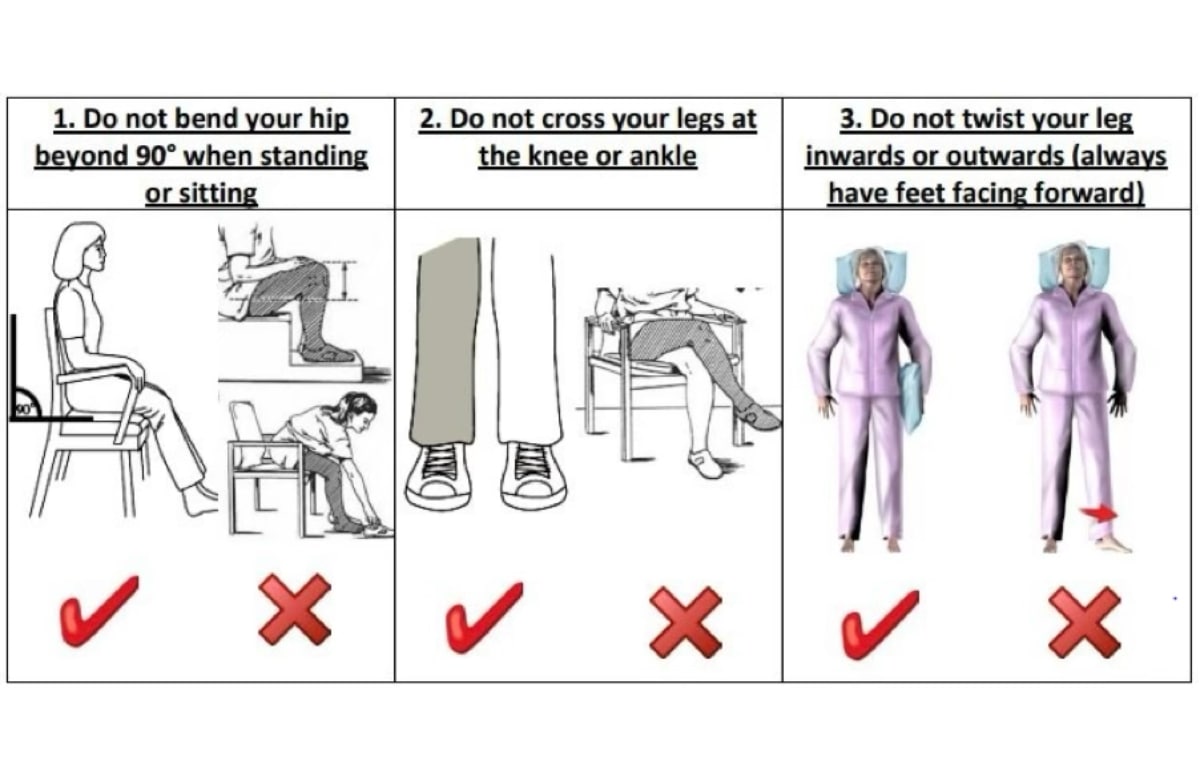
To protect your new hip joint as it heals, be mindful of certain movements for the first few months:
- Avoid crossing your legs or flexing at the hip beyond 90 degrees to reduce stress on the hip joint and reduce risk of dislocation.
- Take care not to twist or pivot sharply on your operated leg.
- Use assistive devices like raised chairs, grabbers, or shower seats to maintain safe positions while moving.
- Weight bear as tolerated this includes using assistive devices such as a walker or crutches to allow some weight bearing through the operated leg.
Following these precautions helps avoid dislocation and encourages smooth healing.
Moving Forward: Benefits of Early Movement
Staying active after surgery, within safe guidelines, can significantly boost your recovery. Walking, light stretches, and the exercises provided by your physiotherapist help to build strength, improve balance, and reduce post-operative swelling. These gentle movements are essential for a successful return to daily life and long-term hip health.
If you’re gearing up for surgery or starting your recovery journey, check out my video series for guided exercises at each stage. They’ll help you feel prepared, stay active, and safely regain your mobility.


